













Noticias y blog
PV Fuse Sizing Guide: How to Choose the Right Fuse for Solar Arrays

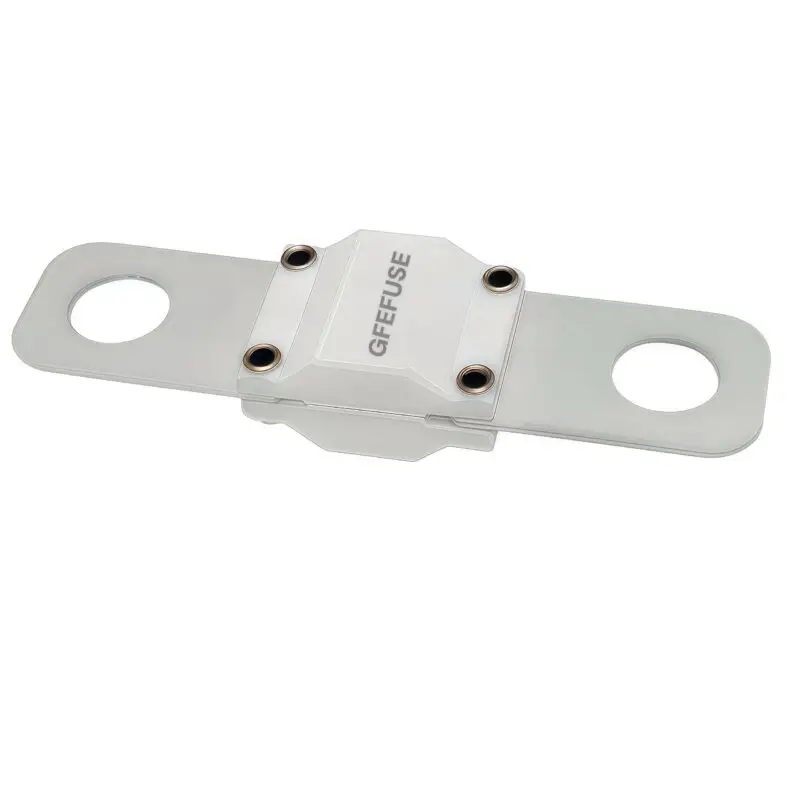
PV Fuse Sizing Guide: How to Choose the Right Fuse for Solar Array
Introductio
Selecting the correct fuse size for a solar photovoltaic (PV) system is critical for both safety and performance. An undersized fuse will cause nuisance trips and unnecessary downtime, while an oversized fuse fails to provide adequate protection against faults.
This comprehensive guide walks you through the complete PV fuse sizing process, covering string-level fuses, combiner box fuses, and recombiner fuses for both 1000V and 1500V DC systems.
Whether you’re a system designer, installer, or electrical engineer, this guide will help you make informed decisions about PV fuse selection and ensure compliance with NEC and UL standards.
Why Do Solar PV Systems Need Special Fuses?
The Unique Challenges of DC Solar Systems
Solar PV systems present unique protection challenges that differ from traditional AC systems:
- DC Arcs are Harder to Extinguish
- Unlike AC current, DC current doesn’t naturally cross zero
- DC arcs are more stable and harder to interrupt
- Requires specialized DC-rated fuses with arc-quenching designs
- Low Fault Currents
- Solar panels have relatively high internal resistance
- Fault currents may be only 2-3 times the normal operating current
- Fuses must operate reliably at these lower fault levels
- Wide Temperature Variations
- Outdoor installations experience extreme temperature swings
- Panel output current varies with temperature
- Fuse performance is temperature-dependent
- String Architecture
- Multiple panels connected in series (strings)
- Multiple strings connected in parallel (arrays)
- Requires protection at multiple levels: string level, combiner level, inverter level
What Happens Without Proper Fusing?
Without properly sized PV fuses, you risk:
- Panel Damage: Reverse current can damage solar panels, potentially causing hot spots or delamination
- Fire Hazard: Fault conditions can lead to overheating and fires
- System Downtime: Nuisance fuse operations reduce energy production
- Code Violations: Failure to comply with NEC requirements can result in failed inspections
- Warranty Issues: Improper protection may void panel or inverter warranties
Types of Fusibles fotovoltaicos
gPV Class Fuses (UL 248-19)
The most common type of fuse used in solar PV systems is the gPV class fuse, certified to UL 248-19.
Key characteristics of gPV fuses:
- Full-range protection (both overload and short-circuit)
- Specifically designed for PV applications
- DC voltage ratings up to 1500V DC
- Optimized for low fault current conditions
- High cycling capability
- Temperature-stable performance
Fuse Ratings to Consider
When selecting PV fuses, pay attention to these ratings:
| Rating | Description | Typical Values |
| Voltage Rating | Maximum DC voltage the fuse can safely interrupt | 600V, 1000V, 1500V DC |
| Current Rating | Maximum continuous current | 2A to 63A (string level) |
| Breaking Capacity | Maximum fault current the fuse can interrupt | 10kA to 50kA DC |
| I²t Rating | Total let-through energy | Varies by size and type |
| Temperature Range | Operating temperature range | -40°C to +85°C (typical) |
Common PV Fuse Form Factors
- Cartridge Fuses (10x38mm)
- Most common for string-level protection
- Current ratings: 1A to 32A
- Voltage ratings: up to 1000V DC (some 1500V)
- Used with fuse holders or DIN rail mounts
- Cartridge Fuses (14x51mm / 22x58mm)
- Higher current ratings
- Used in combiner boxes and recombiner boxes
- Current ratings: 32A to 125A
- Voltage ratings: up to 1500V DC
- NH-Type Fuses
- Larger format for higher currents
- Used at inverter level and utility-scale systems
- Current ratings: up to 630A+
- Voltage ratings: up to 1500V DC
PV Fuse Sizing Fundamentals
Key NEC Requirements
The National Electrical Code (NEC) provides specific requirements for PV system protection. Key sections include:
- NEC 690.9: Overcurrent Protection
- NEC 690.8: Circuit Current Calculations
- NEC 240: Overcurrent Protection general requirements
The 1.25× Rule
The most fundamental rule for PV fuse sizing is the 1.25× rule from NEC 690.9:
Overcurrent devices shall be rated at not less than 125 percent of the maximum circuit current.
Formula: Fuse Rating ≥ I_sc × 1.25
Where:
- I_sc = Short-circuit current of the PV module/string
But wait — it’s not quite that simple. Let’s look at the complete calculation.
Step-by-Step Sizing Methodology
Here’s the complete process for sizing PV string fuses:
Step 1: Find the Module Short-Circuit Current (I_sc)
Look at the solar panel datasheet for I_sc (short-circuit current) at Standard Test Conditions (STC).
Example:
- I_sc = 10.5 A (from datasheet)
Step 2: Calculate Maximum Series Fuse Current
Per NEC 690.9(B), the maximum overcurrent device rating for a PV source circuit is:
Max Fuse Rating = I_sc × 1.25
Example:
- Max Fuse Rating = 10.5 A × 1.25 = 13.125 A
This is the MAXIMUM fuse size. You cannot use a fuse larger than this.
Step 3: Determine Minimum Fuse Rating
The fuse must be able to carry the maximum operating current without nuisance operation. The maximum power current (I_mp) is the normal operating current.
Min Fuse Rating = I_mp × 1.25 (for temperature and margin)
Example:
- I_mp = 9.8 A
- Min Fuse Rating = 9.8 A × 1.25 = 12.25 A
Step 4: Select a Standard Fuse Size
Choose a standard fuse rating that falls between the minimum and maximum:
Min Fuse Rating ≤ Selected Fuse ≤ Max Fuse Rating
Example:
- Min: 12.25 A
- Max: 13.125 A
- Standard fuse sizes in this range: 12A, 13A, 15A…
- Selected fuse: 12A or 13A (both are acceptable)
Important: If no standard size falls within the range, select the next size BELOW the maximum. Never exceed the maximum.
Detailed Sizing Calculations
String-Level Fuse Sizing
String-level fuses protect individual PV strings from reverse current faults.
Complete Formula
` I_string_fuse = I_sc_module × N_series? No — wait.
For a string of panels in series:
- Voltage adds up
- Current stays the same
So: I_sc_string = I_sc_module (same as a single panel)
Therefore: Max string fuse rating = I_sc_module × 1.25 `
Example Calculation (1000V System)
Given:
- Panel: 400W monocrystalline
- I_sc = 10.5 A
- I_mp = 9.8 A
- 20 panels per string (series)
- System voltage: 1000V DC
Calculation:
- I_sc per string = 10.5 A (same as one panel)
- Max fuse rating = 10.5 × 1.25 = 13.125 A
- Min fuse rating = 9.8 × 1.25 = 12.25 A
- Standard fuse sizes: 10A, 12A, 15A, 20A…
- Selected: 12A or 13A gPV fuse
- Voltage rating: 1000V DC minimum
Example Calculation (1500V System)
Given:
- Panel: 600W bifacial
- I_sc = 18.2 A
- I_mp = 17.0 A
- 25 panels per string (series)
- System voltage: 1500V DC
Calculation:
- I_sc per string = 18.2 A
- Max fuse rating = 18.2 × 1.25 = 22.75 A
- Min fuse rating = 17.0 × 1.25 = 21.25 A
- Standard fuse sizes: 20A, 25A, 32A…
- Selected: 20A gPV fuse (next standard size below max)
- Voltage rating: 1500V DC minimum
Combiner Box Fuse Sizing
Combiner box fuses protect the combined output of multiple strings.
Formula
I_combiner_fuse = I_sc_string × N_parallel_strings × 1.25
Where:
- N_parallel_strings = number of strings combined
Example
Given:
- 12 strings per combiner box
- Each string I_sc = 10.5 A
- Combiner output feeds inverter
Calculation:
- Total I_sc = 10.5 A × 12 = 126 A
- Max combiner fuse = 126 × 1.25 = 157.5 A
- Selected: 160A gPV fuse (or next standard size)
- Voltage rating: 1000V or 1500V DC (match system)
Inverter Input Fuse Sizing
The inverter input fuse protects the inverter’s DC input.
Factors to consider:
- Maximum short-circuit current from the array
- Inverter’s maximum DC input current
- Inverter’s internal protection settings
- Coordination with upstream fuses
General guideline: Inverter fuse rating ≥ Max array short-circuit current But also ≤ Inverter's maximum DC input rating
Temperature Derating
Why Temperature Matters
Fuse performance is affected by ambient temperature. At higher temperatures:
- Fuse element runs hotter
- Effective current carrying capacity decreases
- Fuse may operate at lower currents than rated
PV fuses are often installed in:
- Outdoor combiner boxes (can reach 60-80°C inside)
- Roof-mounted equipment
- Desert or tropical climates
Typical Temperature Derating Curve
| Ambient Temperature | Current Carrying Capacity |
| -40°C | ~115% |
| 25°C (reference) | 100% |
| 40°C | ~95% |
| 50°C | ~90% |
| 60°C | ~85% |
| 70°C | ~78% |
| 80°C | ~70% |
| 85°C | ~65% |
(Values are approximate — consult manufacturer datasheet for exact values)
How to Apply Temperature Derating
Step 1: Determine the maximum ambient temperature at the fuse location Step 2: Find the derating factor from the manufacturer’s curve Step 3: Adjust the required fuse size accordingly
Example:
- Required current: 12 A
- Max ambient temp: 60°C
- Derating factor at 60°C: 0.85 (85%)
- Adjusted required current: 12 A ÷ 0.85 = 14.1 A
- Select 15A fuse (if still below maximum allowed)
Important: Always verify that the derated fuse rating is still below the maximum allowed by NEC 690.9.
Common PV Fuse Sizing Scenarios
Scenario 1: Residential Rooftop (6kW)
System Details:
- 15 × 400W panels
- 1 string of 15 panels (series)
- 1000V DC system
- I_sc = 10.5 A per panel
- No combiner box (string directly to inverter)
Sizing:
- String fuse: 12A or 13A gPV, 1000V DC
- Inverter DC fuse: 15A or 20A gPV, 1000V DC
Scenario 2: Commercial Rooftop (100kW)
System Details:
- 250 × 400W panels
- 25 strings × 10 panels each
- 1000V DC system
- I_sc = 10.5 A per panel
- 2 combiner boxes (12-13 strings each)
Sizing:
- String fuses: 12A gPV, 1000V DC (25 total)
- Combiner output fuses: 160A gPV, 1000V DC (2 total)
- Inverter DC fuses: 200A gPV, 1000V DC
Scenario 3: Utility-Scale (5MW, 1500V)
System Details:
- 8334 × 600W bifacial panels
- 333 strings × 25 panels each
- 1500V DC system
- I_sc = 18.2 A per panel
- Multiple combiner and recombiner boxes
Sizing:
- String fuses: 20A gPV, 1500V DC (333 total)
- Combiner output fuses (12 strings): 250A gPV, 1500V DC
- Recombiner fuses: 630A gPV, 1500V DC
- Inverter DC fuses: 800A+ gPV or NH type, 1500V DC
Fuse Coordination
Why Coordination Matters
In a multi-level PV system (string → combiner → recombiner → inverter), fuses must be properly coordinated so that only the fuse closest to the fault operates.
Goal: Selective coordination — only the smallest necessary section is disconnected.
Coordination Principles
- Upstream fuse must be larger than downstream fuses
- Upstream fuse must have higher I²t than downstream fuses
- Ratio of 2:1 or greater is often recommended for good coordination
- Always verify with time-current curves
Example Coordination Scheme
Inlet Fuse (200A) ↓ Combiner Box ├── String 1 Fuse (12A) ├── String 2 Fuse (12A) ├── String 3 Fuse (12A) └── ... (12 strings total)
Coordination check:
- If a fault occurs on string 1, only the 12A string fuse should blow
- The 200A combiner fuse should NOT operate
- Ratio: 200A ÷ 12A = 16.7:1 → excellent coordination
Common Sizing Mistakes and How to Avoid Them
Mistake 1: Using AC Fuses in DC Systems
Problem: AC fuses are not designed to interrupt DC arcs. They may fail to clear a DC fault, leading to fire or equipment damage.
Solution: Always use DC-rated gPV fuses certified to UL 248-19 or equivalent.
Mistake 2: Ignoring Temperature Effects
Problem: Fuses in hot combiner boxes may nuisance-trip if temperature derating isn’t applied.
Solution:
- Calculate the actual ambient temperature inside the enclosure
- Apply manufacturer’s temperature derating curve
- Select a fuse size that accounts for high-temperature operation
Mistake 3: Oversizing “Just to Be Safe”
Problem: Using a larger fuse than necessary reduces protection effectiveness. The fuse may not operate when needed, allowing damage to panels or wiring.
Solution: Follow NEC 690.9 limits strictly. The maximum fuse size is I_sc × 1.25 — don’t exceed this.
Mistake 4: Using Regular Fuses Instead of gPV Fuses
Problem: General-purpose fuses may not operate reliably at the low fault currents typical of PV systems.
Solution: Use fuses specifically designed and certified for PV applications (gPV class, UL 248-19).
Mistake 5: Not Considering Bifacial Gain
Problem: Bifacial panels can produce more current than STC rating due to albedo (reflected light from the ground).
Solution:
- Add 5-15% additional margin for bifacial systems
- Check manufacturer’s bifacial gain specifications
- Consider maximum expected current, not just STC I_sc
Mistake 6: Forgetting About Irradiance Factors
Problem: At very high irradiance (e.g., 1200 W/m²), panel current can exceed STC values.
Solution:
- Consider maximum expected irradiance at the site
- Apply appropriate margin (typically 10-25% above I_sc)
- NEC 690.9’s 1.25 factor accounts for some of this, but extreme conditions may require more
PV Fuse Selection Checklist
Use this checklist when selecting PV fuses:
Electrical Requirements
- Voltage rating ≥ system maximum voltage
- Current rating within NEC 690.9 limits (I_sc × 1.25 max)
- Breaking capacity ≥ available fault current
- DC-rated (not AC)
- gPV class or equivalent
Environmental Requirements
- Temperature range matches installation environment
- Temperature derating applied
- UV resistant (if exposed to sunlight)
- Suitable for outdoor use (if applicable)
Mechanical Requirements
- Correct form factor (10×38, 14×51, etc.)
- Compatible with fuse holder
- Size fits in enclosure
- Vibration resistance (if applicable)
Certification and Compliance
- UL 248-19 certified (or equivalent)
- NEC compliant
- Listed for PV applications
- Appropriate marking and documentation
System-Level Considerations
- Coordination with upstream/downstream devices
- Accessibility for replacement
- Spare fuse availability
- Cost-effectiveness
Frequently Asked Questions (FAQ)
1: Why can’t I just use a regular fuse in my solar system?
A: Regular fuses are designed for AC systems and may not reliably interrupt DC arcs, especially at the lower fault currents typical of PV systems. PV-specific fuses (gPV class, UL 248-19) are optimized for DC interruption and low-fault-current operation.
2: What’s the difference between gPV and aR fuses?
A:
- gPV fuses (UL 248-19): Full-range protection (both overload and short-circuit), designed specifically for PV systems. Used for string and array protection.
- aR fuses (UL 248-13): Short-circuit protection only, designed for semiconductor protection. Used in inverters and power electronics.
For string-level PV protection, you need gPV fuses, not aR fuses.
3: How do I know if my fuse is rated for DC?
A: Check the fuse marking or datasheet. DC-rated fuses will clearly indicate their DC voltage rating. If only AC voltage is listed, the fuse is NOT suitable for DC applications. Look for “DC” or “gPV” markings.
4: Can I use a 1000V fuse in a 1500V system?
A: No. Never use a fuse with a voltage rating lower than the system voltage. A fuse with insufficient voltage rating may fail to safely interrupt a fault, potentially causing a fire or equipment damage. Always match or exceed the system voltage.
5: What happens if I use a fuse that’s too big?
A: An oversized fuse may not operate during a fault condition, allowing excessive current to flow through the system. This can damage solar panels, overheat wiring, and create fire hazards. Always follow NEC 690.9 maximum sizing guidelines.
6: What happens if I use a fuse that’s too small?
A: An undersized fuse may nuisance-trip during normal operation, especially on hot days or during high irradiance conditions. This reduces system availability and energy production.
7: Do I need fuses on both positive and negative poles?
A: It depends on the system configuration and local code requirements. In many systems, fusing on the positive pole only is sufficient. However, some systems (especially those with ground-fault detection requirements) may require fusing on both poles. Consult NEC 690 and local codes.
Q8: How often should PV fuses be replaced?
A: Under normal conditions, PV fuses can last for 10-20 years or more. They should be replaced if:
- They have operated (blown) due to a fault
- They show signs of damage, discoloration, or corrosion
- They are past their rated life expectancy (if specified)
- After a major lightning strike or surge event
9: Can I replace a blown PV fuse with a regular fuse temporarily?
A: No. Never replace a PV fuse with a non-PV-rated fuse, even temporarily. Using the wrong type of fuse can create a safety hazard and may violate electrical codes. Always use the correct type and rating of fuse.
10: What’s the difference between a fuse and a circuit breaker in PV systems?
A:
- Fuses: One-time use, faster operation, better at interrupting DC arcs, lower cost, but require replacement after operation
- Circuit breakers: Resettable, more convenient, but generally slower and may not interrupt DC faults as effectively
- Recommendation: Use fuses for string-level and array-level protection where speed and DC interruption are critical. Use breakers for disconnecting and general circuit protection where resettability is important.
Conclusion
Proper PV fuse sizing is essential for the safe and reliable operation of solar photovoltaic systems. By following the guidelines in this article — including NEC requirements, temperature derating, and proper coordination — you can ensure your system is adequately protected.
Key takeaways:
- Use gPV class fuses certified to UL 248-19
- Maximum fuse size = I_sc × 1.25 (NEC 690.9)
- Always apply temperature derating for outdoor installations
- Ensure proper coordination between protection levels
- Verify DC voltage rating matches the system
- Consider bifacial gain and other site-specific factors
EssFuse PV Fuses
EssFuse offers a complete line of UL 248-19 certified gPV photovoltaic fuses for solar PV systems:
- Voltage ratings: 1000V DC and 1500V DC
- Current ratings: 2A to 63A (string level), up to 630A+ (array level)
- Form factors: 10x38mm, 14x51mm, 22x58mm, NH type
- Breaking capacity: Up to 50kA DC
- Temperature range: -40°C to +85°C
- Certifications: UL 248-19, IEC 60269-6, CE, RoHS
- High cycling capability for long service life
- Low power loss for improved system efficiency
Whether you’re designing a small residential system or a utility-scale solar farm, EssFuse has the right PV fuse for your application. Contact our technical team for personalized sizing assistance and product recommendations.
Fusibles fotovoltaicos https://essfuse.com/product-category/photovoltaic-fuse
gPV fuses https://essfuse.com/product-category/photovoltaic-fuse/
aR fuses https://essfuse.com/product/h22f07-ar-semiconductor-fuse-25a-100a-690v-700v/