












Notizia

Fuse AWG & KCMIL Wire Gauge Matching Standard Tutorial
In high-current circuit design, matching suitable wires for fuses is as important as fuse selection. Unreasonable matching will lead to...

Guida completa alla selezione dei fusibili per autoveicoli
Automotive fuses are widely used in all kinds of vehicles to protect lighting system, power supply circuit and control modules. Standar...

Differenze tra gli standard UL e IEC per i fusibili CC dei veicoli elettrici.
Electric vehicle high-voltage DC fuses need to meet different certification standards when exported to different regions, among which I...

Fusibile termico vs fusibile di sovracorrente per sistemi di accumulo di energia.
In energy storage systems, thermal fuses and overcurrent fuses undertake different protection tasks and cannot replace each other.O...
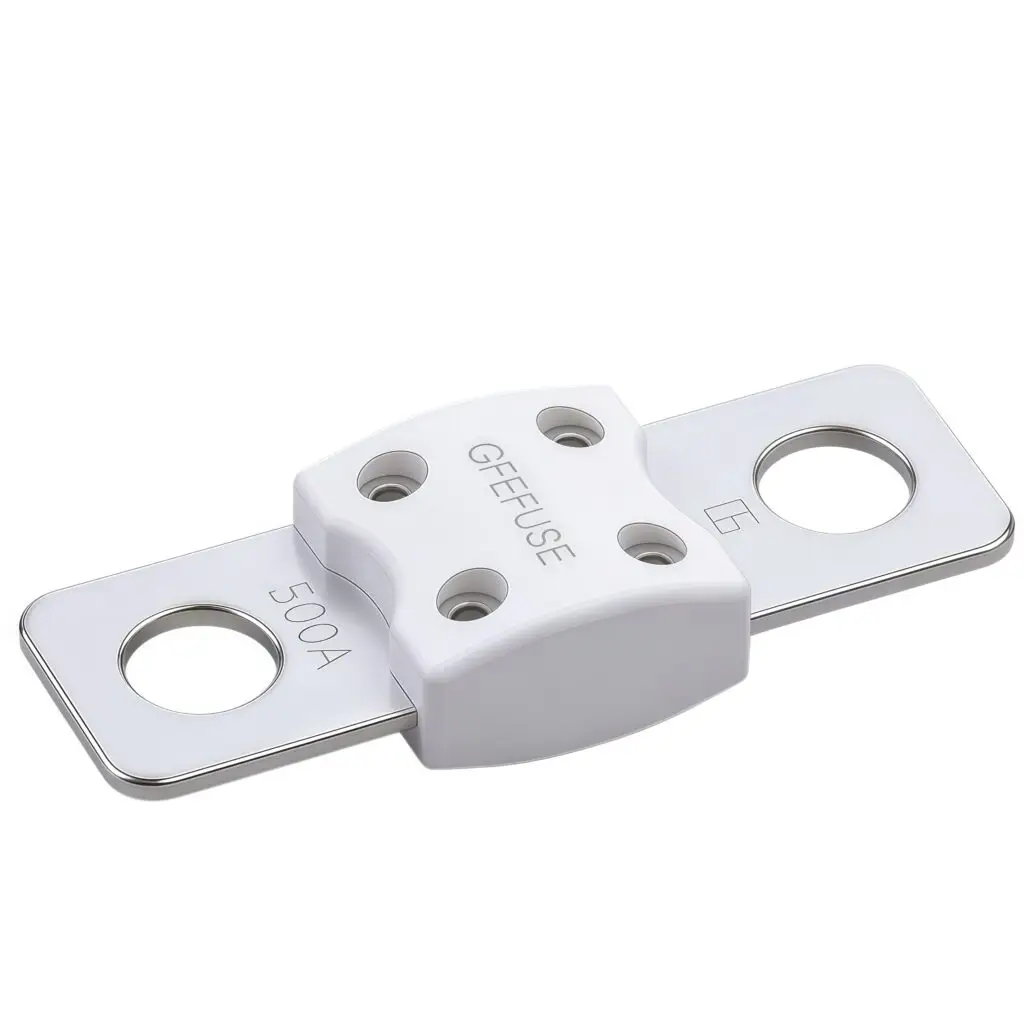
Come scegliere il fusibile giusto per le apparecchiature elettroniche
La scelta di fusibili adeguati è fondamentale nella progettazione di circuiti e nell'assemblaggio di apparecchiature. Una selezione errata dei fusibili causerà instabilità del circuito...
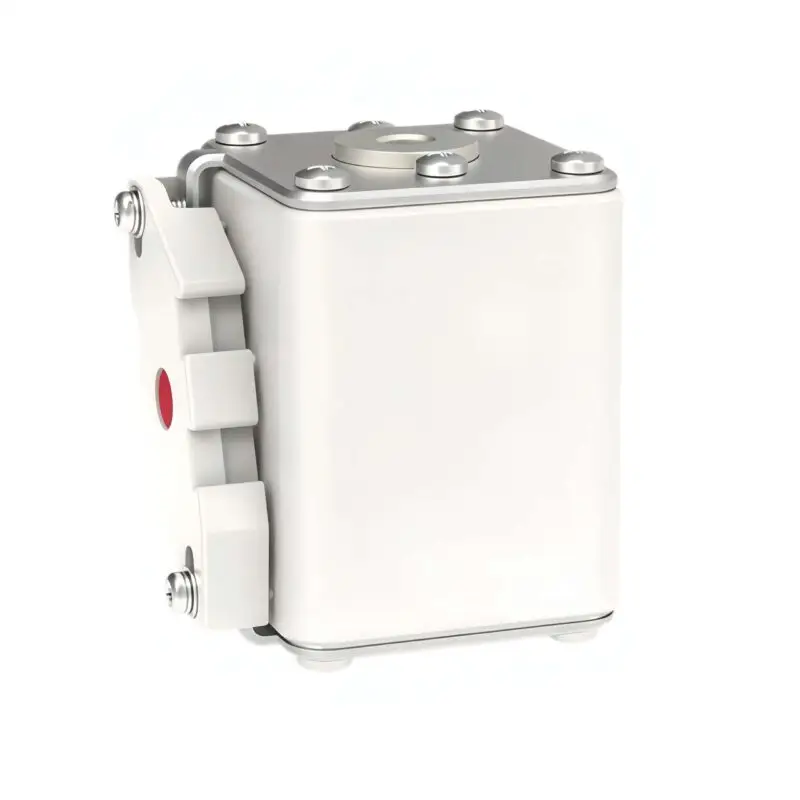
10kA vs 20kA Fuse Breaking Capacity Difference Guide
Breaking capacity is the core safety parameter of industrial fuses, which refers to the maximum short-circuit current that a fuse can s...

How to Choose 50A-600A High Current Industrial Fuse
High current fuses from 50A to 600A are widely used in industrial main power circuits, battery energy storage systems, heavy equipment,...

Pre-arcing Time and Post-arcing Time Calculation of High Speed Fuse
Pre-arcing time and post-arcing time are core performance parameters of high-speed fuses, widely used in semiconductor protection, new ...

Difference Between Automotive Fuse and Solar Fuse
Although both automotive fuses and solar fuses are used for overcurrent protection, they are designed for different working conditions ...
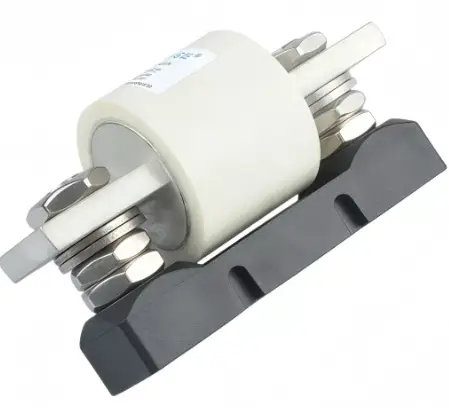
Fusibili per semiconduttori / veloci / fotovoltaici / per accumulo di energia: Differenza completa dello standard IEC UL GB
I fusibili sono componenti fondamentali per la protezione dalle sovracorrenti in ambito industriale, nell'elettronica di potenza, negli impianti fotovoltaici e nei sistemi di accumulo di energia a batteria.