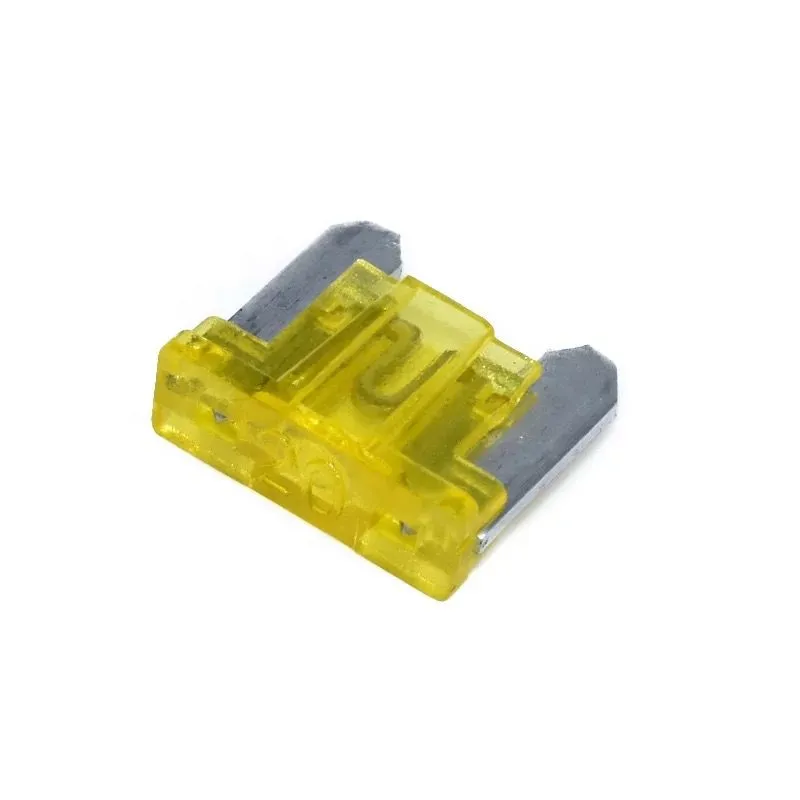
<h1>Factors for Correctly Choosing Blade Fuse</h1>
<p><a href="https://essfuse.com/en_au/product-category/automobile-fuse/blade-fuse/">Blade fuses</a> are the most widely used overcurrent protection components for automobiles, RVs, marine equipment and DC electrical systems. To avoid unnecessary burnout, circuit damage and safety risks, you need to master the core factors for correctly choosing blade fuse before installation and replacement.</p>
<h2>1. Rated Current (Most Important Factor)</h2>
<p>Rated current is the primary standard for blade fuse selection.</p>
<ul>
<li>Choose fuse current higher than normal working current</li>
<li>General rule: fuse rating = 1.25 ~ 1.5 times continuous load current</li>
<li>Too small: frequent blowing</li>
<li>Too large: fail to protect circuit, cause wire burning</li>
</ul>
<p>Match current specification: Mini blade, ATO/ATC, Maxi blade fuse with exact ampere rating.</p>
<h2>2. Rated Voltage</h2>
<p>Blade fuses are mainly designed for DC automotive systems.</p>
<p>Standard rated voltage: <strong>32V DC</strong></p>
<p>Do not use low-voltage blade fuses for high-voltage DC circuits, otherwise arc extinction failure and fire risk will occur.</p>
<h2>3. Fuse Response Characteristic</h2>
<p>Two core types for blade fuses:</p>
<ul>
<li>Fast acting: for general electronic circuits, lights, sensors</li>
<li>Time delay / slow blow: for motors, starters, fans, loads with inrush current</li>
</ul>
<p>Wrong speed selection leads to unnecessary fuse blow or no protection.</p>
<h2>4. Blade Fuse Size Type</h2>
<p>Confirm physical size before purchasing:</p>
<ul>
<li>Micro blade fuse</li>
<li>Mini blade fuse</li>
<li>Standard ATO / ATC blade fuse</li>
<li>Maxi large blade fuse</li>
</ul>
<p>Different sizes cannot be interchanged, must match <a href="https://essfuse.com/en_au/product-category/fuse-holders/">fuse box</a> and fuse holder structure.</p>
<h2>5. Operating Environment Temperature</h2>
<p>Ambient temperature greatly affects actual fuse performance:</p>
<ul>
<li>High temperature environment: fuse current capacity drops, easier to blow</li>
<li>Engine bay, high heat area: need derating selection</li>
</ul>
<h2>6. Circuit Load Type</h2>
<p>Different loads need different blade fuses:</p>
<ul>
<li>Resistive load: lights, simple electrical appliances</li>
<li>Inductive load: motors, pumps, starters</li>
<li>Capacitive load: power supply equipment</li>
</ul>
<p>Inductive loads must use slow-delay blade fuses to avoid inrush current damage.</p>
<h2>7. Vibration & Installation Condition</h2>
<p>Automotive working conditions have strong vibration.</p>
<p>Choose formal high-quality blade fuses with anti-vibration structure, prevent poor contact and abnormal heating.</p>
<h2>8. Safety Standard & Quality Certification</h2>
<p>Regular blade fuses need to meet industry standards:</p>
<p>UL248-1, SAE automotive standard, RoHS certification</p>
<p>Poor-quality uncertified fuses easily cause safety accidents.</p>
<h2>FAQ</h2>
<h3>What is the main factor when choosing blade fuse?</h3>
<p>Rated current is the core factor, also need to confirm voltage, size and response type.</p>
<h3>Can I use a higher amp blade fuse?</h3>
<p>Not recommended, oversized fuse will lose protection function and cause circuit fire danger.</p>
<h3>What blade fuse for car motor?</h3>
<p>Use time-delay slow-blow blade fuse to resist starting inrush current.</p>
<h2>Related Articles</h2>
<ul>
<li><a href="https://essfuse.com/en_au/types-of-automotive-fuses-and-their-applications/">Types of Automotive Fuses & Their Applications</a></li>
<li><a href="https://essfuse.com/en_au/maxi-blade-fuse-vs-ato-atc-blade-fuse/">Maxi Blade Fuse vs ATO/ATC Blade Fuse: Key Differences</a></li>
<li><a href="https://essfuse.com/en_au/automotive-fuse-specifications-models-replacement-tutorial/">Automotive Fuse – Specifications, Models & Replacement Tutorial</a></li>
</ul>
<p><img src="https://essfuse.com/wp-content/uploads/2025/08/blade-fuse-selection-guide.jpg" alt="blade fuse selection guide" width="300" height="300"></p>